


search

May 5, 2026

In March 2026, the U.S. Food and Drug Administration (FDA) released a draft guidance on how drug developers can use New Approach Methodologies (NAMs) instead of animal tests. This blog will explain what NAMs are and how you can implement them to comply with the FDA’s requirement that sponsors switch to using non-animal studies for investigational drugs.

Highlights of the FDA draft guidance on NAMs

The draft guidance describes the Center for Drug Evaluation and Research’s (CDER’s) recommendations for validating NAMs to support a drug application. The four core validation principles are:

  1. Context of Use: Define the NAMs’ regulatory purpose
  2. Human biological relevance of NAMs for assessing toxicity
  3. Technical characterization: Establishing scientific confidence through robust, reliable, and reproducible methods
  4. Fit-for-Purpose: Assurance that NAMs help in regulatory decision-making

To get more insights on the guidance, read this Biospace article.

The global push for NAMs

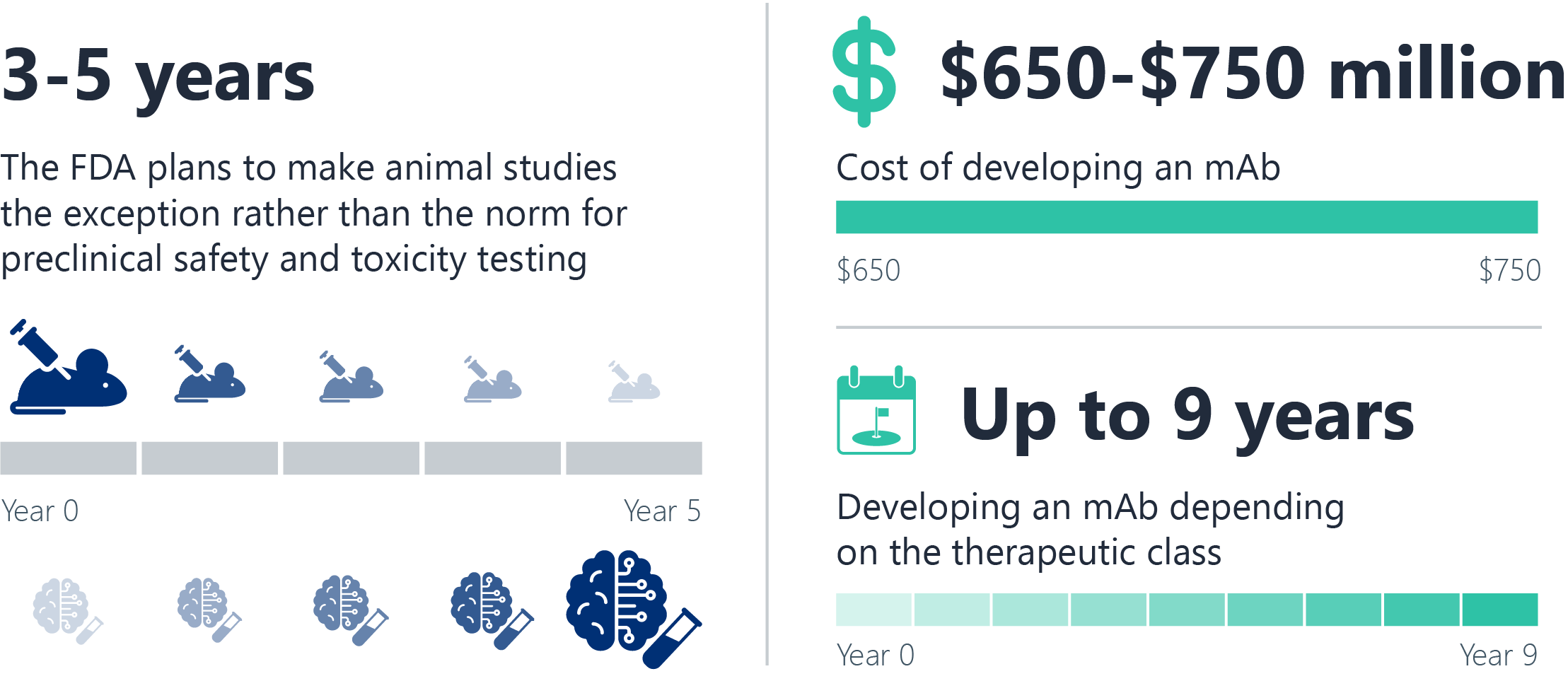
The FDA guidance builds on its 2025 Roadmap to Reducing Animal Testing in Pre-clinical Safety Studies. The Roadmap signaled that drug developers should use NAMs as the default, not the exception. Partnering with federal agencies such as the National Institutes of Health, the National Toxicology Program and the Department of Veterans Affairs, the FDA aims to accelerate the validation and adoption of these innovative methods through the Interagency Coordinating Committee on the Validation of Alternative Methods (ICCVAM).

Indeed, global regulators are increasingly supporting the use of NAMs, but harmonization remains a challenge. Take Europe for example. The EMA has set recommendations for 3Rs (reduce, refine, and replace) approaches and NAMs, is moving to revise guidelines for regulatory acceptance of these methods, has formed the joint Committee for Medicinal Products for Human Use/Committee for Veterinary Medicinal Products (CHMP/CVMP) 3Rs Working Party and is contributing to developing NAMs as part of the EMA Innovation Task Force. In addition, several ICH guidelines already accommodate the use of NAMs, including the main guidance for biotechnology derived pharmaceuticals (ICH S6(R1) and the guideline on detection of toxicity to reproduction (ICH S5(R3). However, in these guidelines, the scenarios where NAM-based approaches are considered justified are limited and/or leave significant regulatory uncertainty regarding acceptance of a NAM-based approach

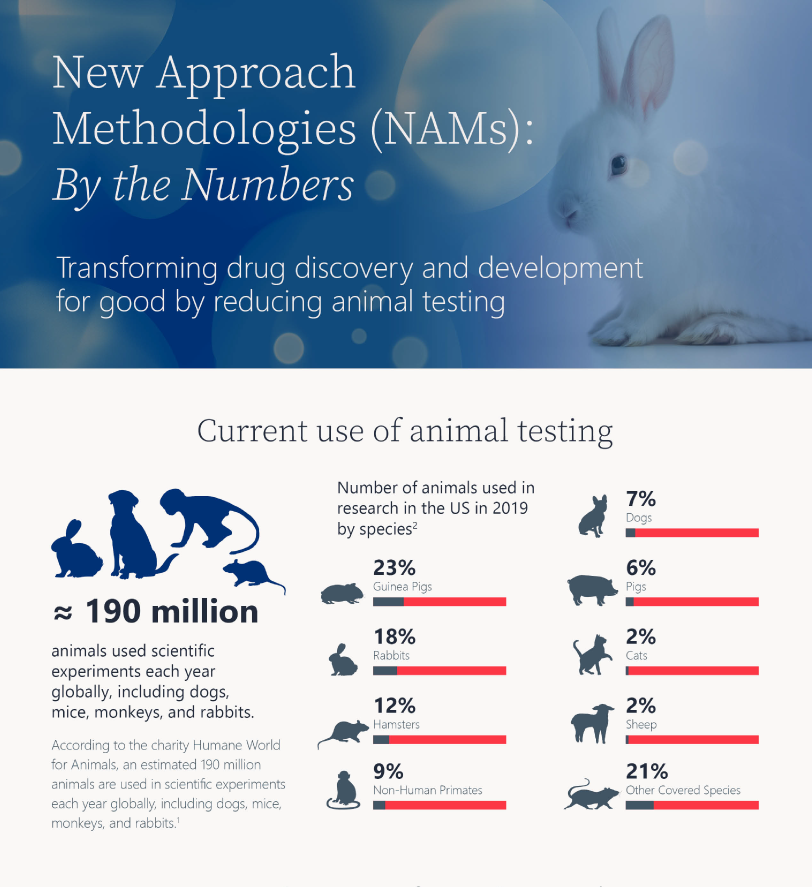
Infographic illustrating New Approach Methodologies (NAMs) with data on animal testing use, FDA roadmap highlights, development costs, and modern alternatives to reduce animal testing

Animal models are poor predictors of human outcomes and costly

For decades, animal testing has been the standard practice in the pharmaceutical industry for evaluating the safety and efficacy of drugs before they enter the clinic. However, animal tests often do not accurately predict drug effects in humans. Additionally, there are ethical concerns associated with animal testing, particularly regarding the use of costly and difficult-to-source non-human primates (NHPs). Thus, the pharmaceutical industry has been striving for the 3Rs of animal testing for decades.

What are New Approach Methodologies for Drug Safety Assessment?

NAMs are more human-relevant, non-animal studies that fall into four main categories:

  • Microphysiological systems (MPS): 2D/3D cultures and organ- or organoid-on-chip platforms that mimic human tissue function.
  • Advanced in vitro assays: Tools such as cytokine-release and T-cell activation panels to assess immunotoxicity.
  • Advanced ex vivo human systems: Including tissue culture and pluripotent stem cells for high-throughput safety screening.
  • In-silico tools: Computer-based models that simulate drug absorption, distribution, metabolism, excretion (ADME), off-target effects, and immunogenicity.
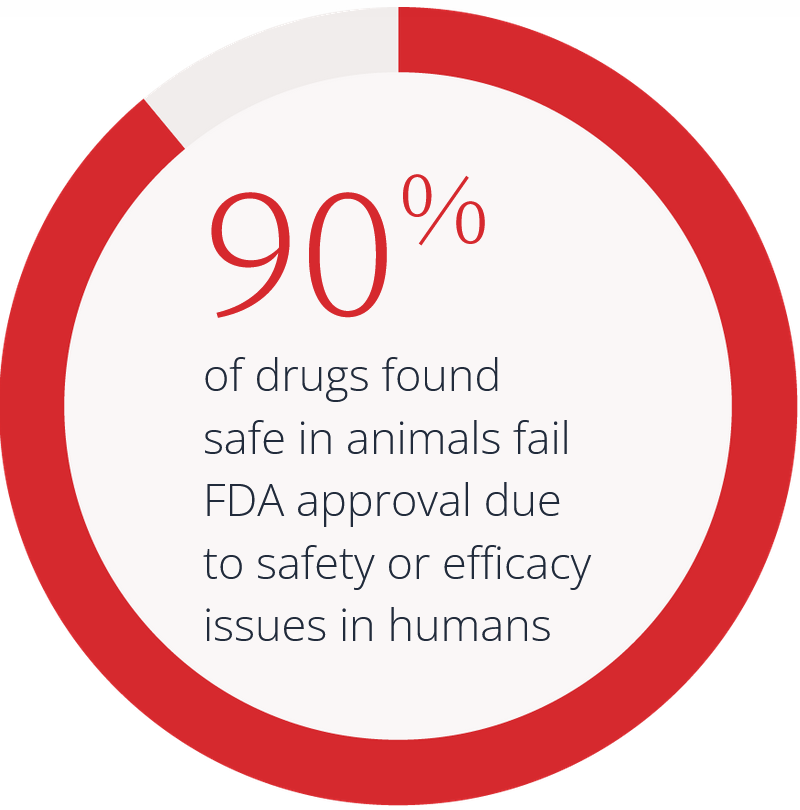
90
of drugs found safe in animals fail FDA approval due to safety or efficacy issues in humans
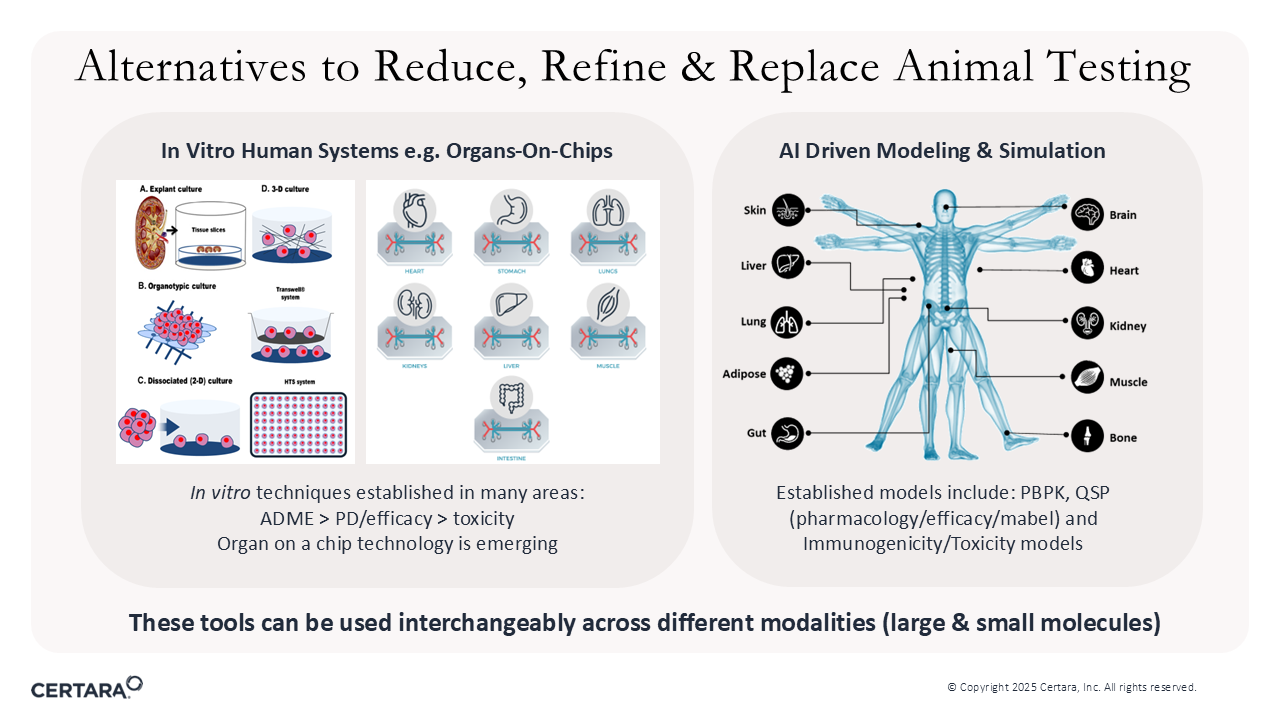
Infographic titled 'Alternatives to Reduce, Refine & Replace Animal Testing,' showcasing two approaches: 'In Vitro Human Systems' and 'AI Driven Modeling & Simulation.' The left section highlights organ-on-chip technology with labeled components (human cells, engineered surfaces, dynamic fluid flow, biomarker profile, genomic & PK/PD) and mentions its applications in ADME, pharmacodynamics/efficacy, and toxicity studies. The right section features a human anatomical diagram with labeled body parts (skin, liver, lung, etc.) connected to established AI models like PBPK, QSP, and immunogenicity/toxicity models. Footer notes indicate these tools are versatile for large and small molecules. Visuals include scientific diagrams, anatomical illustrations, and process arrows. Copyright 2025 Certara, Inc.

Figure 1. NAMs are alternatives to reduce, refine, and replace animal testing.

NAM Modeling and Simulation Tools

A range of modeling and simulation tools supports the move away from animal testing. AI-driven modeling and simulation provide rapid, cost-effective solutions for both large and small molecules. The pharmaceutical industry is already deploying established in silico models for a range of applications. One landmark case of successful use of NAMs is the drug, Kimmtrak. This immunotherapy agent (bispecific fusion protein) was approved without any in vivo toxicology data. It targets a human-specific mechanism (anti-CD3 effector domain specific for human CD3) with no binding or activation of T cells in preclinical species. Thus, no relevant animal model was available.

Drug Candidate Portfolio Optimization

One of the biggest challenges drug developers face in this era of tight funding from investors is making “go/no go” decisions on which candidates to progress through the development process. In silico models can help make earlier assessments on the safety liability of drug candidates. For example, Certara’s ToxStudio® software suite brings together a suite of cutting-edge NAMs to address three critical areas in preclinical safety:

  • Cardiac safety (QT prolongation risk): The Cardiac Safety Simulator software uses AI-driven modeling and simulation to assess the pro-arrhythmic risk of drugs with enhanced quantitative structure activity relationship (QSAR) models that predict cardiac ion channel current inhibition, even in the absence of in vitro data.
  • Off-target safety: Secondary Intelligence™ software identifies and ranks off-target interactions using quantitative analysis, enabling earlier and more accurate risk assessments.
  • Drug-Induced Liver Injury (DILI): Libra™ AI-powered software uses QSAR modeling to identify potential DILI hazards. It was trained on a set of 682 DILI positive and 648 DILI negative compounds. Libra uses the chemical fingerprints of test compounds to return a binary prediction of ‘DILI’ or ‘non-DILI’, as well as the probability associated with that prediction. Thus, by using Libra, discovery scientists can assess the risk of DILI, even prior to compound synthesis.

Target selection

Hit identification

Lead series selection

Lead optimization

Candidate selection

Zero

Compound libraries (1,000s)

100s

<100

~5-20

Chemistry flexible

Target safety profiling (TSP)

hERG
(automated
patch clamp)


Secondary
pharmacology

In vitro tox assays

In vivo discovery tox

QSAR

Pre-FTIH

Phase I

Phase II

Phase III

Post-marketing

1 plus
back-up(s)

1

1

1

1

Chemistry locked-in

GLP tox & safety
pharmacology
package

Additional
secondary
pharmacology

Longer
duration tox
studies

Embryofoetal
development
studies

Carcinogenicity
studies

Abuse-dependence
liability studies

Thorough QT study
(humans)

Pharma-
covigilance

PBPK Modeling

SEND-based In Silico NAMs

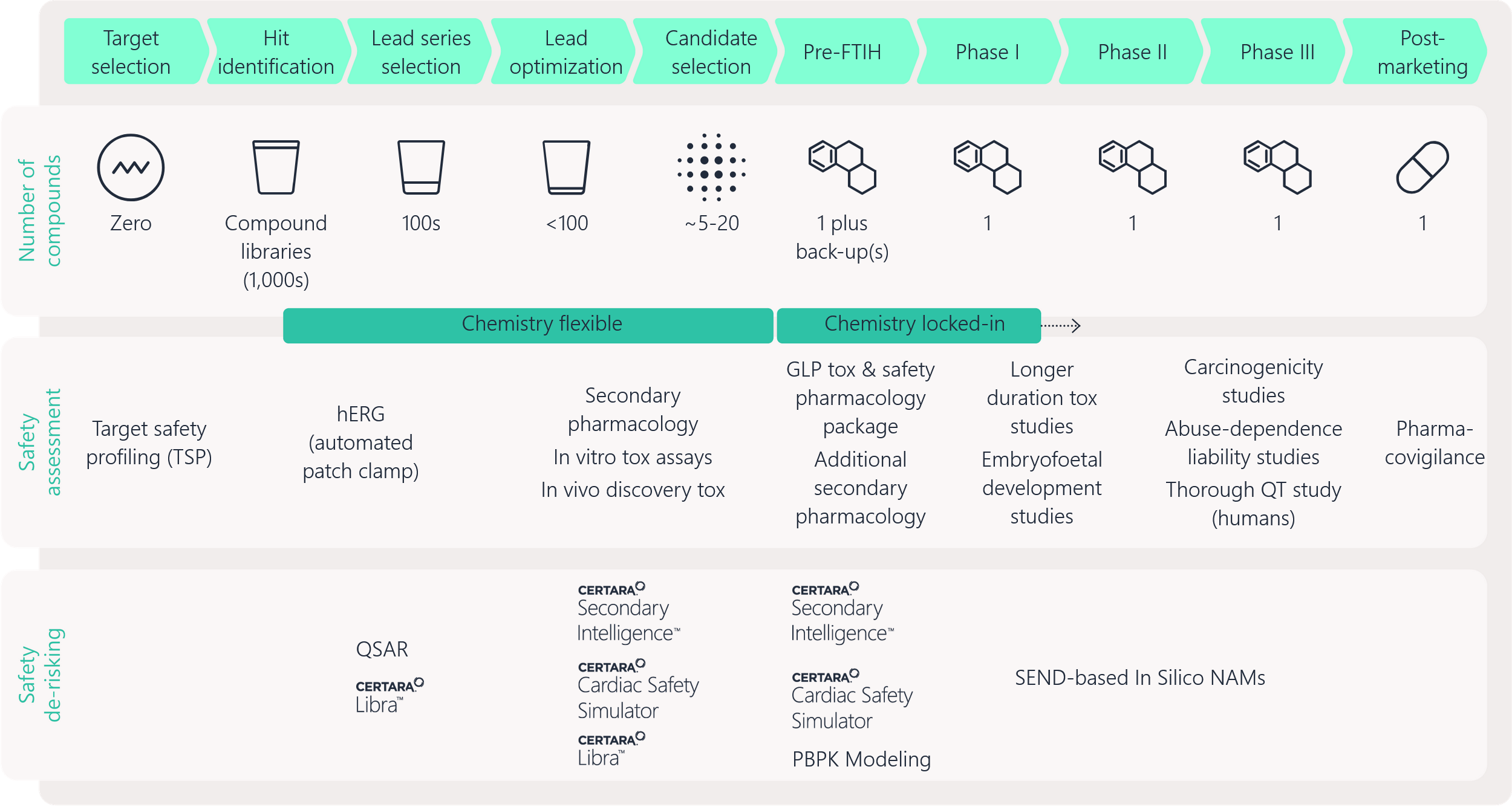
Figure 2.Opportunities for in silico NAMs throughout drug development
Predicting FIH PK with Mechanistic Modeling

Mechanistic modeling uses in vitro data to simulate human pharmacokinetics and pharmacodynamics (PK/PD). This approach helps determine appropriate dose levels and reduces the need for animal studies.

Predicting Clinical Immunogenicity

Immunogenicity refers to the body producing an immune response to a foreign substance. If a drug produces significant immunogenicity, it can pose both efficacy and safety issues. Certara’s IG Simulator (QSP platform) predicts immunogenicity using human data, validated by pharma partners, and supports regulatory submissions without animal data.

Regulatory clarity & predictability are essential for the pharmaceutical industry's adoption of non-animal studies

The 2022 FDA Modernization Act 2.0 opened the door for replacing expensive animal testing with cheaper, more effective human-relevant methods. However, drug developers need confidence that NAMs will be accepted by regulators. Without clear guidance from the agency and consistent review practices, sponsors will default to animal testing, even when NAMs are more scientifically valid. Here are some ways that you can confidently incorporate NAMs into your development strategy.

Adopt a “Weight of Evidence” Philosophy

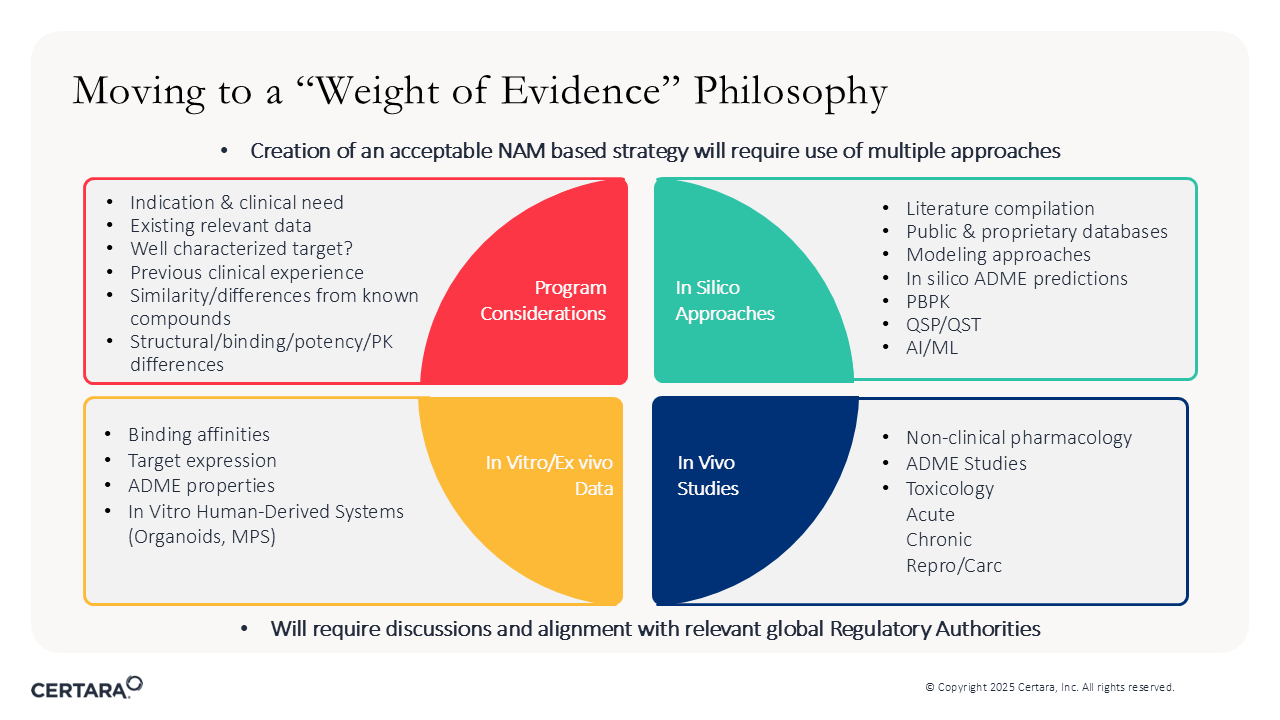
Transitioning from animal-based testing to NAMs requires a “weight of evidence” approach. Instead of directly replacing each animal test, sponsors should weigh multiple factors, including the disease being treated, clinical need, and drug target information, as well as clinical, modeling, and in vitro data. Together, these data streams form a more complete and human-relevant picture of drug safety and efficacy.

Infographic titled 'Moving to a “Weight of Evidence” Philosophy,' illustrating a framework for developing Non-Animal Methods (NAMs) using multiple approaches. The image features four color-coded quadrants: 'Program Considerations' (red, top left) listing factors like clinical need, existing data, and target characterization; 'In Silico Approaches' (green, top right) covering literature, databases, modeling, and AI/ML; 'In Vitro/Ex Vivo Data' (yellow, bottom left) highlighting binding affinities, target expression, and human-derived systems; and 'In Vivo Studies' (blue, bottom right) including pharmacology, ADME, and toxicology. Footer text notes the need for alignment with global regulatory authorities. Visuals include a 2x2 grid layout with bullet points in each quadrant. Copyright 2025 Certara, Inc.

Figure 3. Drug developers must use a weight-of-evidence approach to develop their regulatory submissions for health authorities.
FDA’s Next Steps for Reducing Animal Testing

The FDA will continue expanding the use of NAMs by validating them with real-world clinical data and updating its guidance for including them in drug submissions. It also plans to support pilot programs focused on NAMs, lead efforts to align with international regulatory standards, and build shared data repositories to collect and compare study results.

Additionally, the FDA will train its reviewers to assess NAM evidence and track their effectiveness in streamlining drug development. The pressure will be mounting for drug development programs to adopt NAMs as the US National Institutes of Health (NIH) just announced an end to funding for animal-only studies.

Integrated Evidence Philosophy - Scientific Rigor Remains Paramount

Regulators now expect holistic submission packages. Sponsors should combine NAMs to develop their drug’s evidence base. The NAMs they use must be reproducible, standardized, and benchmarked against clinical outcomes. To ensure both regulatory and patient trust, NAMs must confer predictive power that meets or exceeds traditional animal tests.

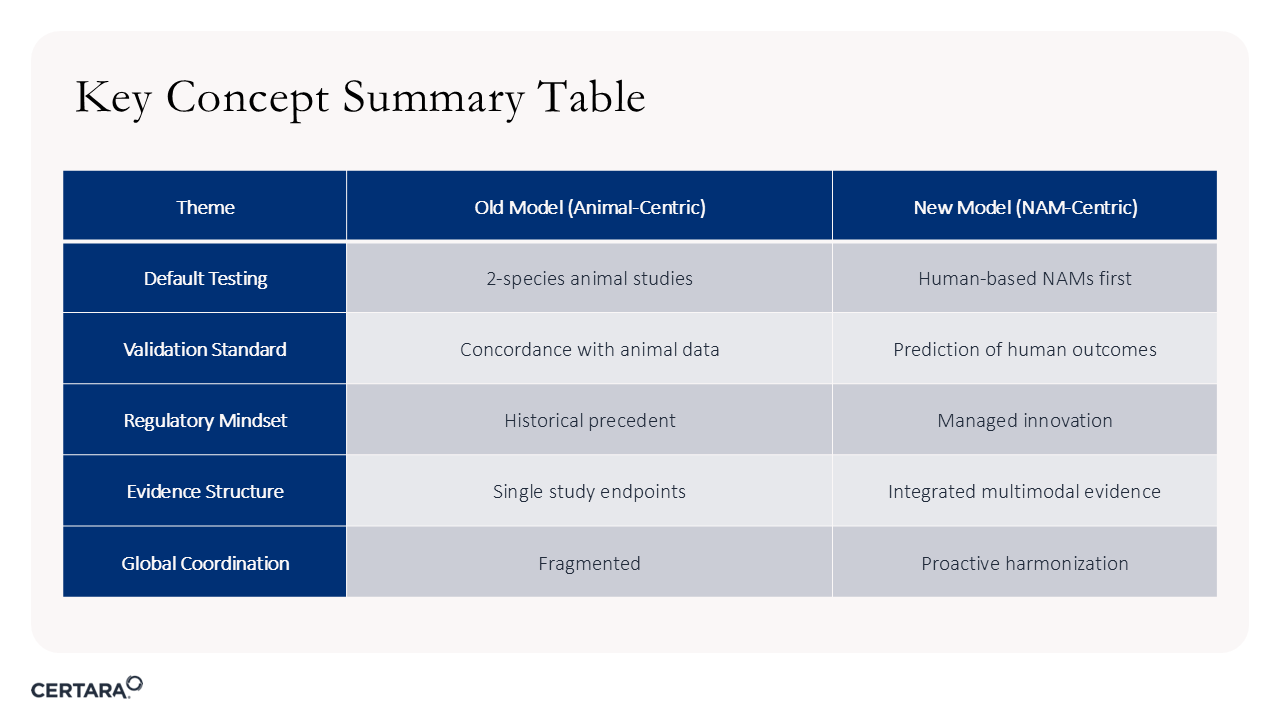
Table titled 'Key Concept Summary Table,' comparing an old animal-centric model with a new NAM-centric (Non-Animal Methodologies) model across five themes. Rows include: 'Default Testing' (old: 2-species animal studies; new: human-based NAMs first), 'Validation Standard' (old: concordance with animal data; new: prediction of human outcomes), 'Regulatory Mindset' (old: historical precedent; new: managed innovation), 'Evidence Structure' (old: single study endpoints; new: integrated multimodal evidence), and 'Global Coordination' (old: fragmented; new: proactive harmonization). The table has three columns (Theme, Old Model, New Model) with alternating row colors for clarity. Designed for professionals in regulatory science or research, emphasizing a shift towards human-relevant, innovative, and globally harmonized methodologies.

Figure 4. Shifting from animal-centric drug development to a NAM-centric model requires multiple considerations.

Monoclonal antibodies are leading the way in eliminating animal testing

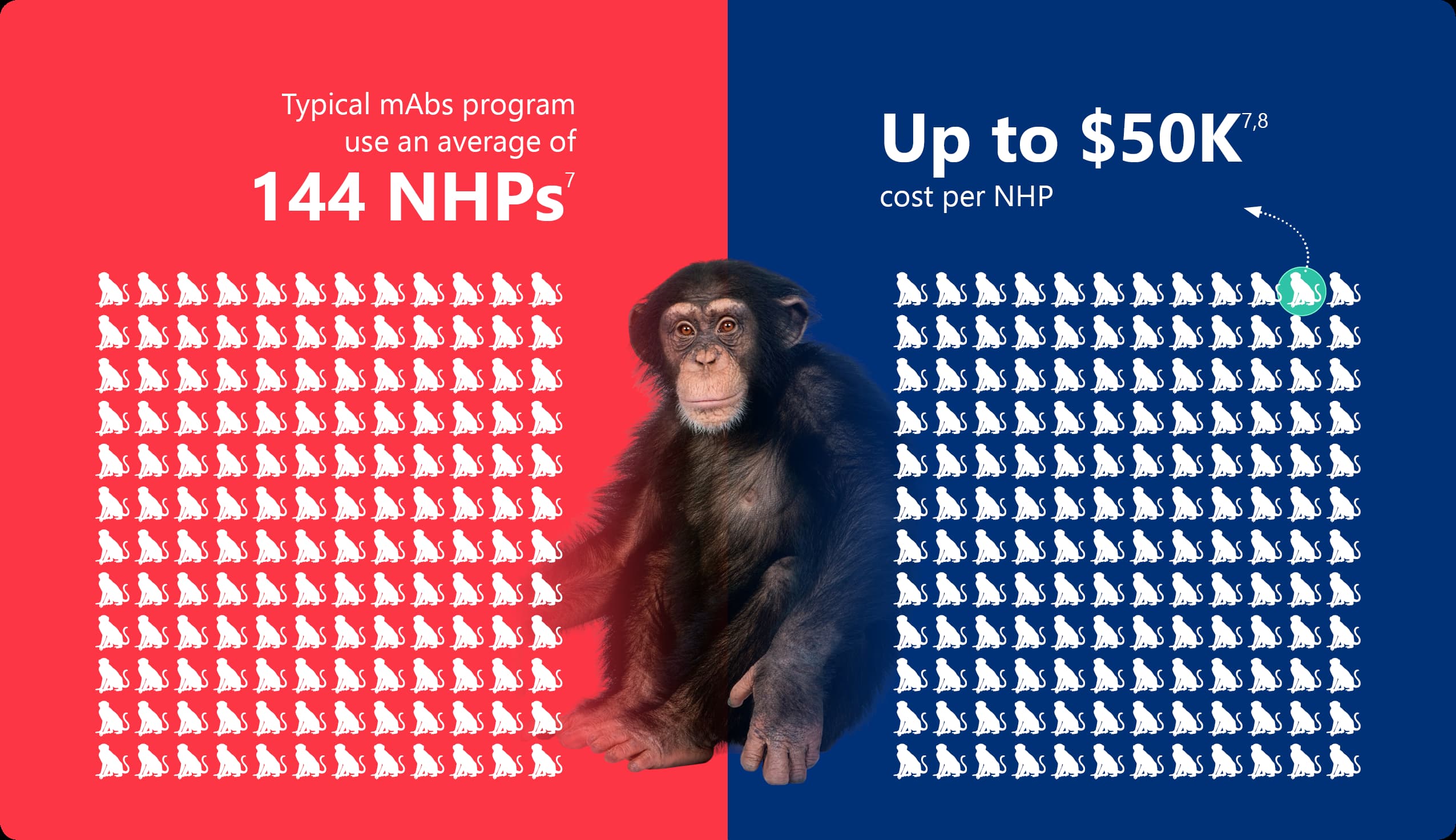
The FDA’s eventual goal is to eliminate animal testing for all drugs. But the FDA Roadmap prioritizes reducing non-human primate testing for monoclonal antibodies (mAbs), potentially eliminating an average of 144 NHPs per drug at $50K each. The nonclinical testing of mAbs presents unique challenges due to their precise target specificity, which often means there are no suitable non-human species for study, or NHPs may be the sole viable option.
To facilitate regulators accepting NAMs in mAb programs, companies can focus on a few key steps. These recommendations are particularly relevant for “me too” mAbs that target the same proteins as existing approved therapies. If the target and antibody are already well understood, more animal testing may not add much value.

By carefully comparing the new mAb to approved ones, examining its structure, binding mechanism, potency, and behavior in the body, and utilizing in vitro data and other robust evidence, companies can demonstrate that the safety risks are already well understood. This makes it possible to reduce or skip some animal studies, especially for long-term and reproductive toxicity. The goal is to only use animal studies when truly needed. Otherwise, sponsors should leverage existing clinical data as well as lab and in silico model results to fill knowledge gaps.

Next Steps for Phasing Out Animal Studies

To successfully adopt a NAM-based approach, sponsors should connect with the FDA early to discuss their plans. They should also consider participating in pilot programs offered by the agency.

It’s important to use well-validated tools, like the Simcyp physiologically-based pharmacokinetic (PBPK) Simulator and QSP models, and organ-on-chip systems. Sponsors should also clearly document all assumptions and data. Submissions should include human-relevant evidence that ties closely to clinical outcomes.

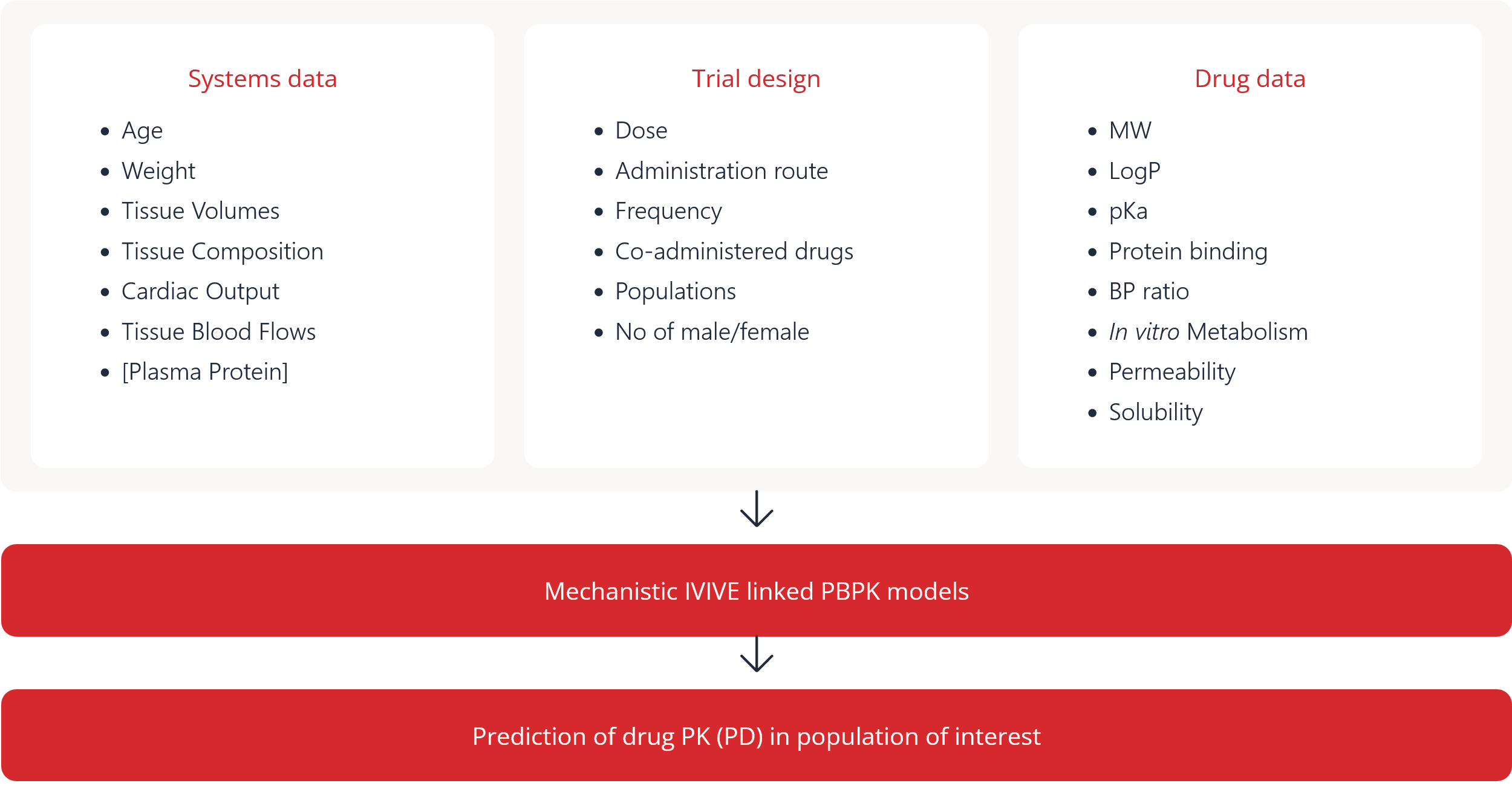
Systems data
  • Age
  • Weight
  • Tissue Volumes
  • Tissue Composition
  • Cardiac Output
  • Tissue Blood Flows
  • [Plasma Protein]
Trial design
  • Dose
  • Administration route
  • Frequency
  • Co-administered drugs
  • Populations
  • No of male/female
Drug data
  • MW
  • LogP
  • pKa
  • Protein binding
  • BP ratio
  • In vitro Metabolism
  • Permeability
  • Solubility
Mechanistic IVIVE linked PBPK models
Prediction of drug PK (PD) in population of interest

Figure 5. Schematic for physiologically-based pharmacokinetic modeling
Early-phase study designs, especially first-in-human trials, should reflect learning from NAMs. Because of minimized animal testing, sponsors should take particular care in monitoring dosing and safety in these studies. Finally, sponsors should align with international guidelines, like those from the ICH, to streamline global regulatory submissions.

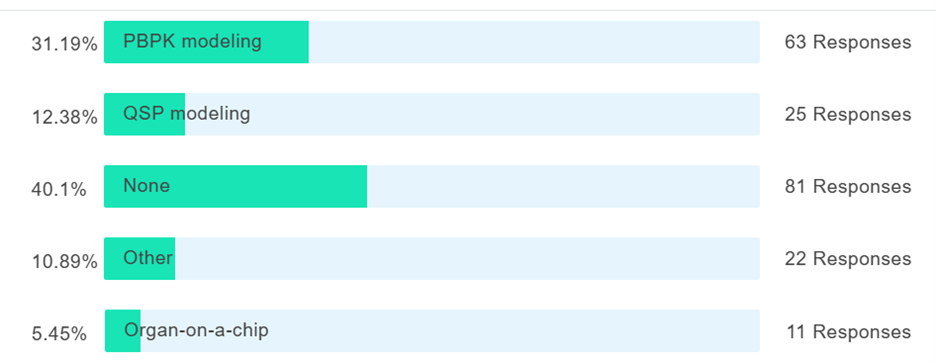
We recently gave a webinar on this topic and asked our attendees about their current use of NAMs (Figure 6). The fact that over 40% of respondents reported not having used any NAM means that we must educate drug developers about the potential benefits of these emerging tools. This also suggests that we will see rapid growth in the non-animal alternative testing market in the coming years.

Horizontal bar chart showing the distribution of responses regarding the use of modeling techniques. Categories include: 'None' (40.1%, 81 responses), 'PBPK modeling' (31.19%, 63 responses), 'QSP modeling' (12.38%, 25 responses), 'Other' (10.89%, 22 responses), and 'Organ-on-a-chip' (5.45%, 11 responses). Each bar is color-coded with a bright turquoise section representing the percentage. The chart highlights 'None' as the largest category, followed by 'PBPK modeling,' with 'Organ-on-a-chip' being the smallest.

Figure 6. What type of New Approach Methodology have you used in preclinical drug development programs? N=200

Partnering for Success

Navigating this shift away from animal testing requires more than just new tools. It demands the right strategy and experience. Certara’s Non-Animal Navigator™ solution positions sponsors to lead confidently in this new era of drug development. To learn more about this topic, watch our webinar.

Author

Suzanne Minton

Director of Content Strategy

Dr. Suzanne Minton is the Director of Content Strategy where she leads a team of writers that develop the whip smart, educational, and persuasive content is the foundation of Certara’s thought leadership programs. She has a decade of experience in corporate marketing and has conducted biomedical research in infectious disease, cancer, pharmacology, and neurobiology. Suzanne earned a BS in biology from Duke University and a doctorate in pharmacology from the University of North Carolina at Chapel Hill.

Author’s note: this blog post was originally published in July 2025 and has been updated for accuracy and comprehensiveness.

End of Animal Testing? Advancing Drug Development Alternatives

The STAT article, written by Prof. Amin Rostami-Hodjegan, explores the transition from animal testing to alternative drug development methods. It highlights the limitations of traditional animal models, such as their inability to reliably predict human outcomes, and the ethical and logistical challenges they pose.

Read the STAT articleContact us

Contact our expert consultants