



Learn how QSP and PBPK modeling work together to support oncology drug development decisions, from dose justification to patient population identification.
About this webinar
Mechanistic modeling approaches are transforming how oncology compounds reach patients. This webinar explores how quantitative systems pharmacology (QSP) and physiologically based pharmacokinetic (PBPK) modeling, when used in combination, provide a powerful framework for informing critical decisions in drug development.
Using tipifarnib and alpelisib combination therapy for head and neck squamous cell carcinoma (HNSCC) as a case study, the session will walk through how these tools support dose justification, patient stratification by genotype, and assessment of drug–drug interactions and organ impairment.
What you will learn
- How QSP models can characterize tumor response across distinct patient genotypes to identify which populations are most likely to benefit from treatment and support dose justification
- How a logic-gated, mechanistic model is built, calibrated, and translated from preclinical data to clinical predictions
- How PBPK modeling supports drug–drug interaction (DDI) assessment, and organ impairment evaluation for oncology compounds
- How combining QSP and PBPK approaches within a single development program creates a stronger, more integrated evidence package for regulatory and clinical decisions
- Practical lessons from the tipifarnib program that apply across oncology drug development
Register now

Piet van der Graaf
Senior Vice President and Head of Quantitative Systems PharmacologyPiet van der Graaf, PharmD, PhD is Senior Vice President Applied BioSimulation at Certara, Professor of Systems Pharmacology at Leiden University, and Professor of Pediatrics at Cincinnati Children’s Hospital Medical Center. Previously, he was the Director of the Leiden Academic Centre for Drug Research and held leadership positions at Pfizer in Discovery Biology, DMPK and Clinical Pharmacology. He was the founding Editor-in-Chief of CPT: Pharmacometrics & Systems Pharmacology before becoming Editor-in-Chief of Clinical Pharmacology & Therapeutics. Piet received his doctorate training in clinical medicine with Nobel prize laureate Sir James Black at King’s College London. He was awarded the 2024 Gary Neil Prize for Innovation in Drug Development from the American Society of Clinical Pharmacology and Therapeutics (ASCPT) and the 2021 Leadership Award from the International Society of Pharmacometrics (ISoP). Piet is an elected Fellow of the British Pharmacological Society and has published >250 articles in the area of quantitative pharmacology and drug development.
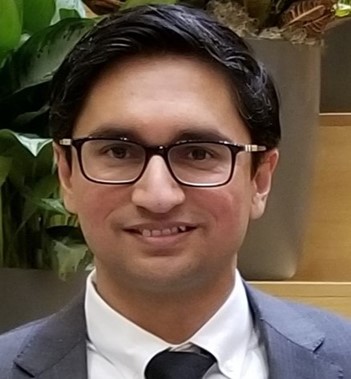
Vice President
Clinical Pharmacology, Kura Oncology, Inc.
Amitava is currently VP and Head of Clinical Pharmacology at Kura Oncology, where he supports global drug development programs. He has nearly 20 years of experience in the pharmaceutical industry supporting various therapeutic areas and has previously worked at Merck, Novartis and J&J. Amitava has supported several INDs and NDAs, including most recently the approval of Komzifti™. Amitava has a PhD in Pharmaceutical Sciences from University of Maryland, Baltimore. His main research interests include clinical pharmacology, modeling & simulation, pharmacokinetics, and biopharmaceutics. He has interacted with several regulatory agencies like FDA, EMA and PMDA on these topics. Amitava has published over 70 research and review articles and has more than 30 podium presentations in national & international conferences. Amitava has won several awards including the Novartis VIVA Leading Science award in 2019 for his modeling efforts, an award that celebrates exceptional contribution by scientists across the company’s R&D organization worldwide. He was elected an AAPS Fellow in 2022. Amitava actively volunteers in AAPS and ASCPT, and participates in IQ consortium. Amitava teaches a course on Clinical Pharmacology at the University of Maryland School of Pharmacy.
Register now