



February 19, 2026
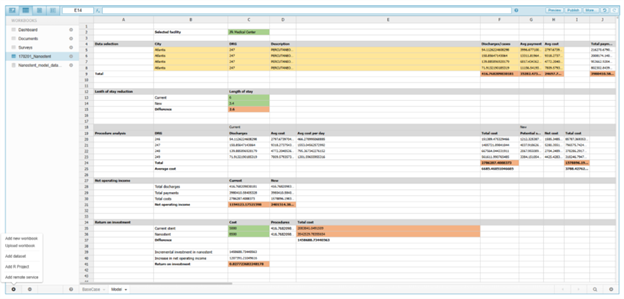
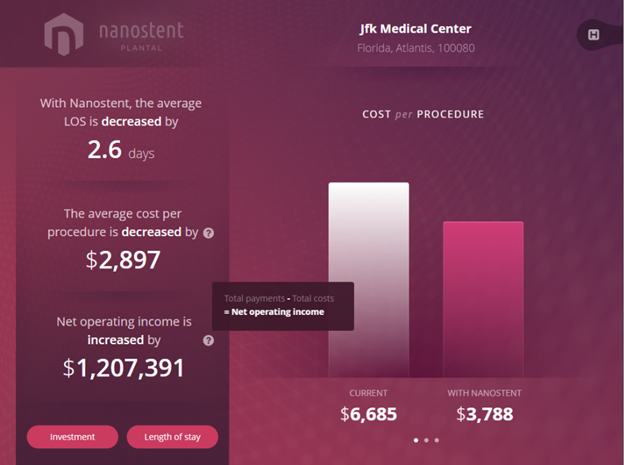
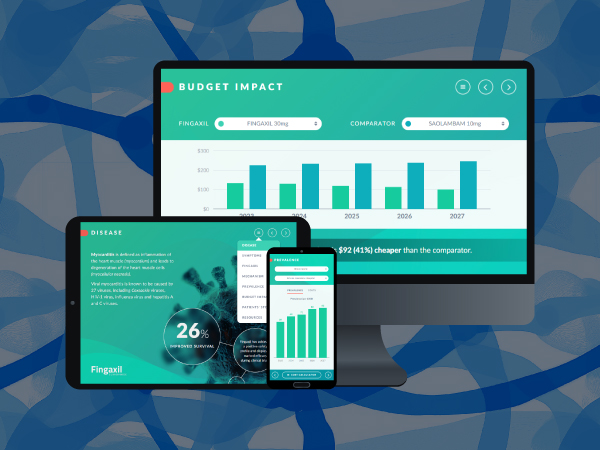
In the context of Market Access and HEOR, interactive cost calculator tools help quantify:

Cost-effectiveness
Evaluating the incremental cost of a treatment relative to its incremental health outcomes, typically expressed as a cost per QALY gained.

Budget impact
Estimating how a new therapy will affect healthcare spending.

Return on investment (ROI)
Demonstrating economic advantage to stakeholders.
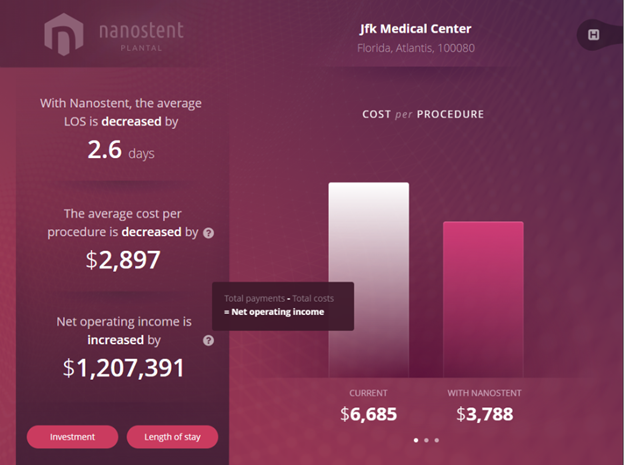
In short, interactive cost calculators combine usability, flexibility, and strategic impact, thus being a valuable tool in the value communication toolkit.
Real-World Impact: A Day in the Life of a Market Access Professional
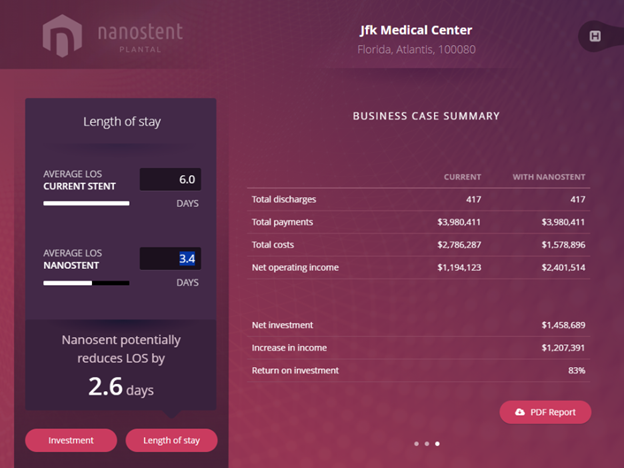
Imagine you're preparing for a meeting to discuss a new therapy or product. You want to communicate the key messages for your product or solution in a data-driven way. With a dynamic cost calculator, you can:

Ready to move beyond static slides?
Explore how BaseCase transforms your spreadsheet-based health economic models into interactive value communication tools. See the value story in action with the BaseCase demo app. You’ll see how BaseCase turns your value strategy into interactive tools that field teams can use to persuade payers and decision makers.

Vangelis Kominatos
Customer Success ConsultantVangelis is a software professional with over 5 years of experience in the industry. For the past 3 years, he has been working as a BaseCase consultant within Certara services. He has worked closely with Market Access and HEOR professionals to help them achieve their business objectives using the BaseCase platform. Vangelis brings a unique combination of technical expertise and customer-focused approach to his work, which has helped to establish him as a trusted advisor to clients.
Make an inquiry
Ready to bring your value story to life? Make an inquiry to learn how BaseCase value communication software transforms complex economic models and clinical data into interactive, field-ready tools.

FAQs
What is the difference between a cost calculator and a health economic model?
A health economic model is a comprehensive framework (typically built in Excel) that evaluates long-term costs and outcomes. In contrast, a cost calculator translates validated HEOR models into an interactive, user-friendly tool. An example is a HEOR budget impact calculator, which enables real-time scenario testing and makes complex economic insights easier to apply in payer discussions.
How are cost calculators used in payer and HTA discussions?
Cost calculators are used in payer and HTA discussions to explore ‘what-if’ scenarios such as changes in pricing, population size, or treatment uptake. They help visualize budget impact, cost-effectiveness, ROI, and potential costs offset in health economics during live conversations – supporting more transparent and data-driven reimbursement discussions.
Are interactive cost calculators compliant with regulatory and HTA requirements?
When built correctly, yes. Compliant cost calculators are grounded in validated economic models and include controls, such as version tracking, locked assumptions, audit trails, and market-specific adaptations. These features help ensure alignment with HTA guidelines and internal governance, allowing teams to use calculators confidently in regulated market access environments.
Can cost calculators be customized for different countries and payer systems?
Typically, dynamic cost calculators in health economics can be localized across countries and payer systems. Users can adapt inputs such as currency, epidemiology, treatment pathways, and reimbursement rules. This allows global organizations to ensure alignment while still addressing local HTA requirements and stakeholder expectations. Learn more about tailoring healthcare value stories to global market access strategies in our webinar.
What data is needed to build a reliable cost calculator?
A reliable cost calculator typically requires clinical outcomes data, cost inputs, population parameters, and assumptions from validated HEOR models. Increasingly, real-world evidence (RWE), such as claims or registry data, is incorporated to reflect routine clinical practice. Clear documentation and transparent assumptions are essential to ensure credibility and stakeholder trust.