



April 29, 2026
Highlights
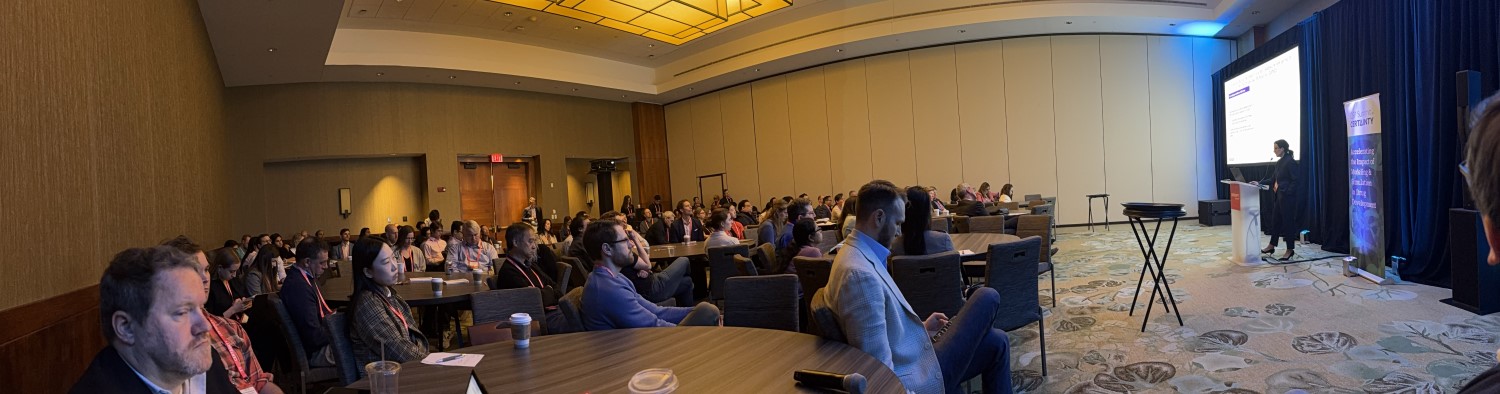
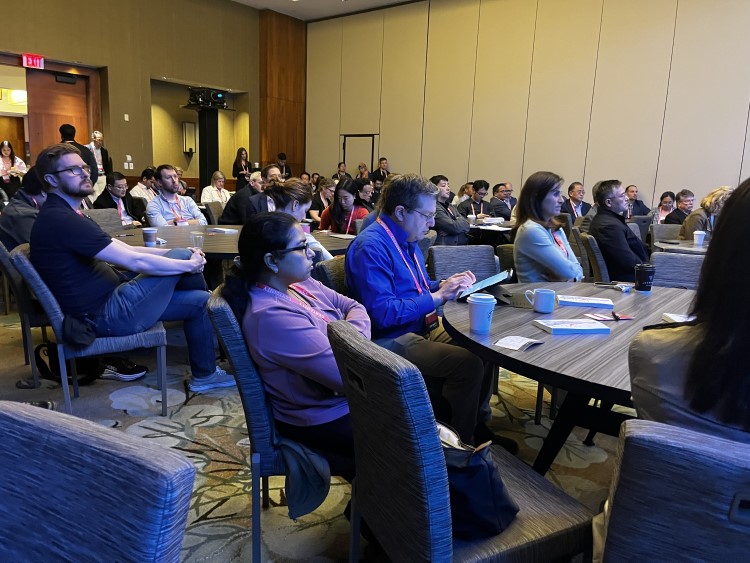
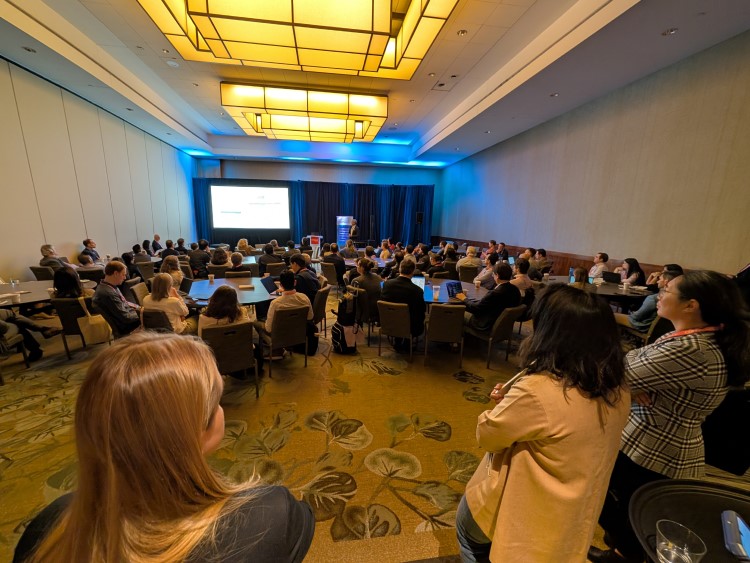
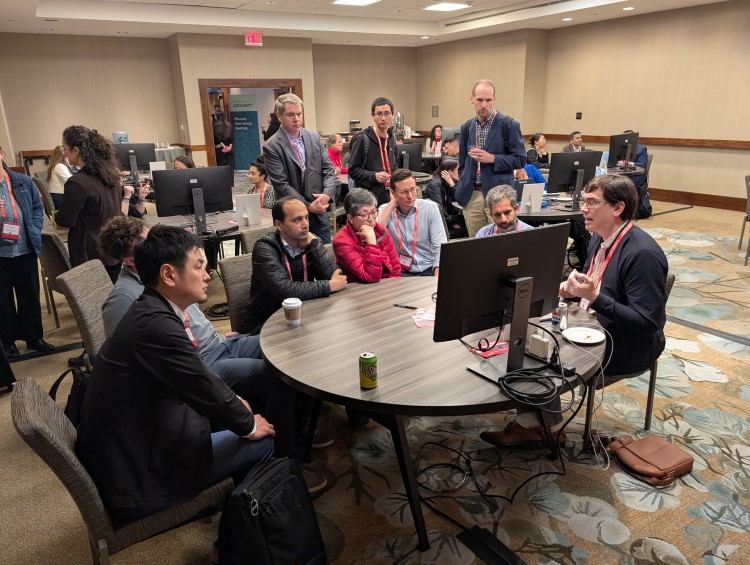
- ~80 industry leaders gathered at the QSP Summit
- Strong continuation of momentum from QSPC, with a clear shift toward scaled, decision-driven application of QSP
- Certara IQ™ demos stood out, showcasing how AI-enabled QSP, combined with regulatory-ready workflows, differentiates Certara IQ in delivering decision-ready, submission-grade insights
- Balanced representation from leaders reflected a growing cross-industry alignment
- Sessions emphasized real-world impact, from early discovery through regulatory decision-making
- Model standardization emerged as a critical theme, enabling consistency, transparency, and broader regulatory adoption of QSP
- A forward-looking panel that explored the intersection of regulation, AI in QSP, impact on NAMs, and integrated approaches
Building on QSPC: From momentum to maturity
Coming off the QSPC 2026 in Leiden, the QSP Summit at Certainty US made one thing clear: the field is no longer in a phase of proving value, it is now focused on scaling impact.
Across sessions, the conversation has evolved from “Can QSP work?” to “How do we operationalize QSP across the enterprise and lifecycle?” The emphasis was firmly on embedding QSP into decision-making, aligning with Model-Informed Drug Development (MIDD) strategies, and ensuring insights arrive at the speed of R&D decisions.
Certara IQ: From capability to catalyst
A defining highlight of the QSP Summit at Certainty was the Certara IQ demonstrations, which consistently drew strong engagement from attendees. Beyond enabling faster modeling, IQ stood out for its regulatory-ready foundation, bringing together models, data, and decision-making in a way that meets the demands of GxP environments and regulatory review. By connecting models, data, and decision-makers in a unified platform, IQ enables teams to:
- Rapidly explore “what-if” scenarios
- Build and reuse models with greater transparency
- Deliver insights in time to influence critical decisions
- Maintain traceability and auditability for GxP use
More importantly, Certara IQ signals a broader transformation: democratizing QSP so that all users can directly engage with mechanistic insights. The result is not just faster modeling, but better, more connected decisions across the organization.
Speaker highlights
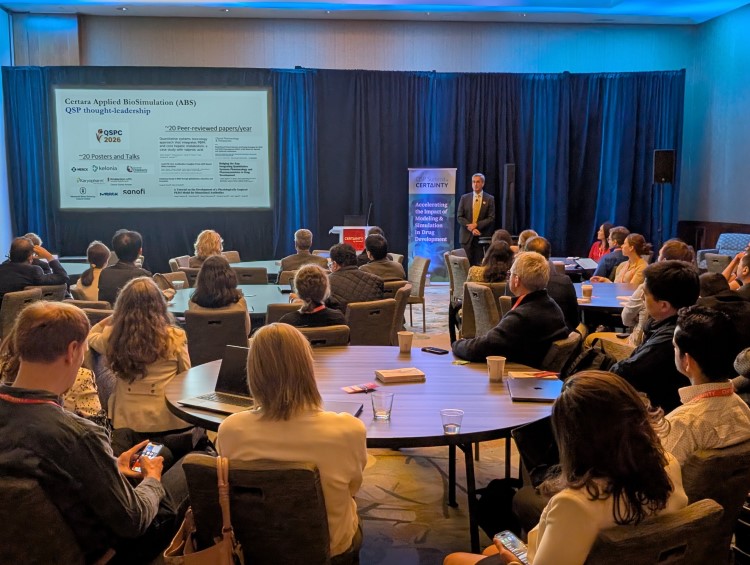
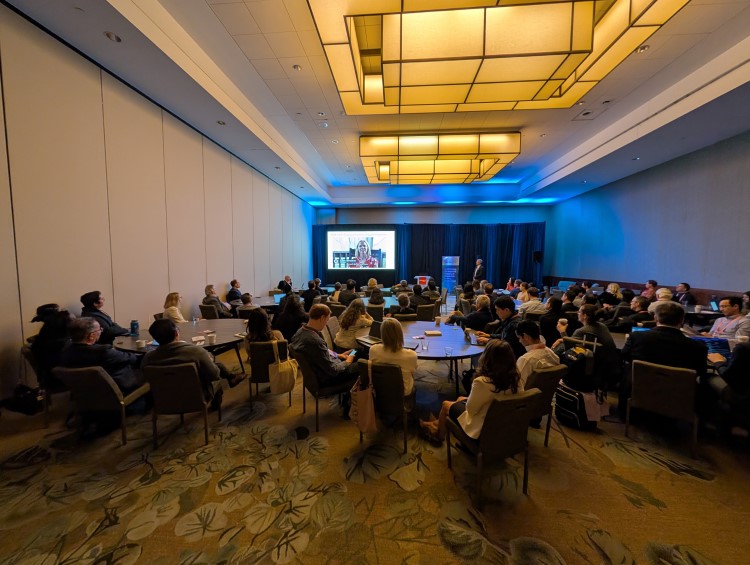
Piet van der Graaf opens the QSP Summit, welcoming the entire QSP community and reflecting on how QSP has grown from being the new-kid-in-town to a must-have for drug development companies. Piet reminds us of why each of us is joined here at the summit – the patient. A moving video from Certara’s QSP modeler, Ellen Swanson, sharing her own patient story, reminded attendees of the deeper “why” driving their work. In Ellen’s own words, “Just increasing the length of life is not good enough.”
QSP as a core driver of MIDD strategy and measurable ROI
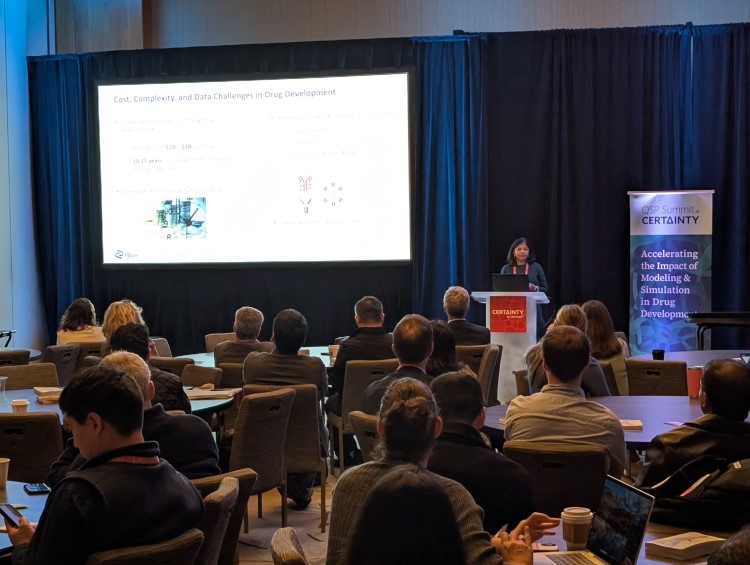
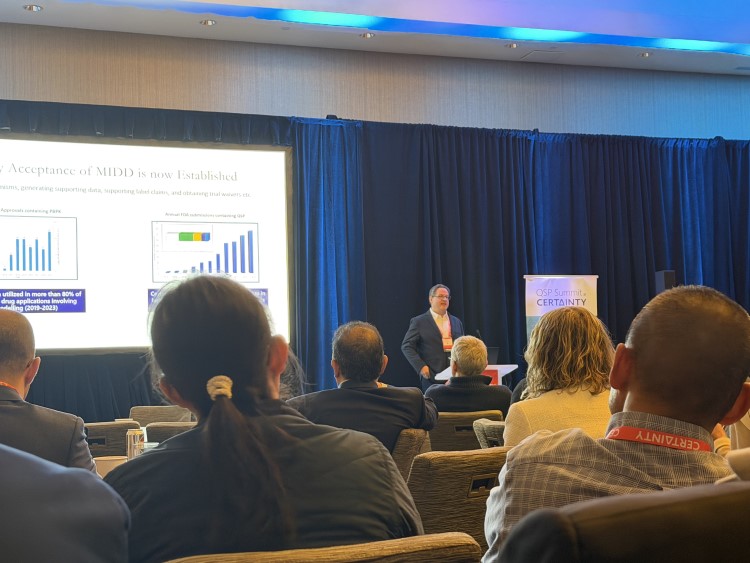
Vaishali Saharasrabudhe, Head of Pharmacometrics and Systems Pharmacology at Pfizer, emphasizes that integration of biology and pharmacology is key for building successful therapies. QSP is now firmly embedded within Model-Informed Drug Development strategies, delivering tangible value in the form of reduced timelines, lower costs, and improved probability of success. The evolution from siloed modeling efforts to integrated, end-to-end decision support reflects a broader shift toward quantitative, strategy-driven drug development.
Virtual Twin methods transforming rare disease development
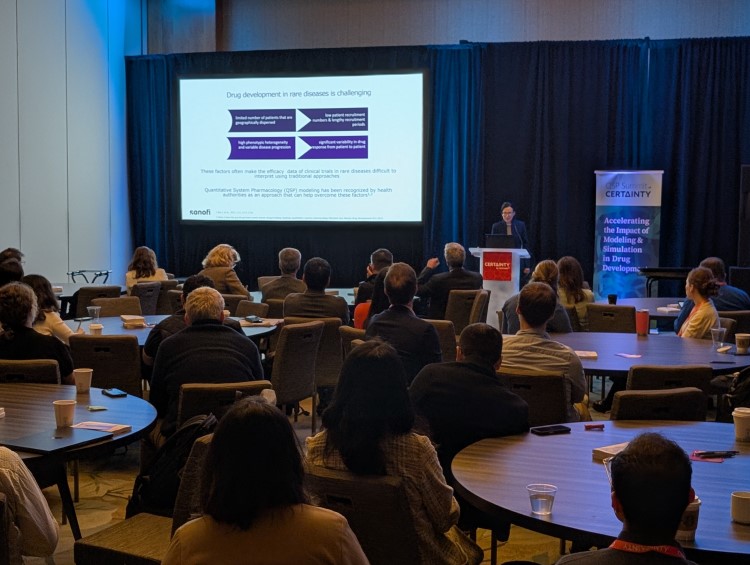
Susana Zaph, Head of QSP at Sanofi, took the stage with a focus on the impact of QSP on rare diseases development. In rare diseases, where data is limited and variability is high, QSP-based Virtual Twin methods are enabling new ways to interpret clinical data and support extrapolation. By embedding diverse datasets into mechanistic models, these approaches help bridge gaps between populations and strengthen regulatory confidence.
Mechanistic modeling strengthening dose justification for novel modalities
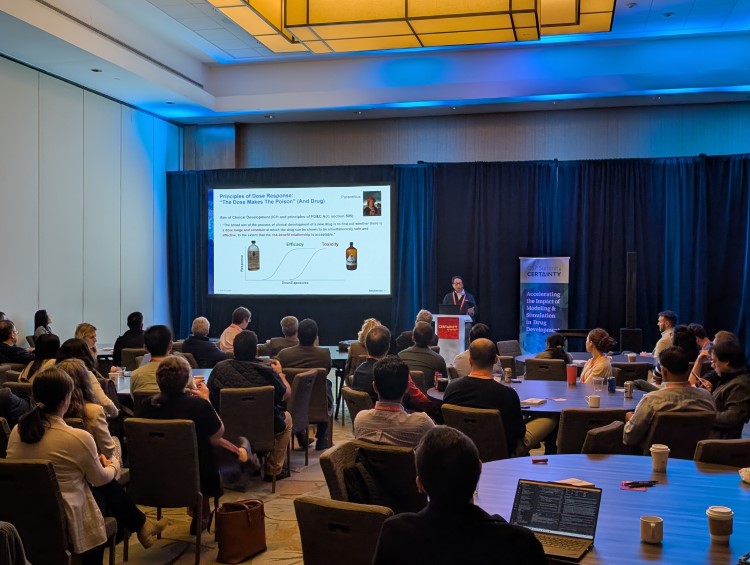
Jae Kim, Chief Medical Officer at Septerna, built a case for QSP modeling as it makes an impact on emerging and innovative therapies. As new therapeutic modalities arise, mechanistic modeling is playing a critical role in linking pharmacology to clinical outcomes. QSP provides a quantitative narrative for dose selection and benefit-risk assessment, supporting stronger and more transparent regulatory interactions.
Advancing first-in-human dose selection with mechanistic insight
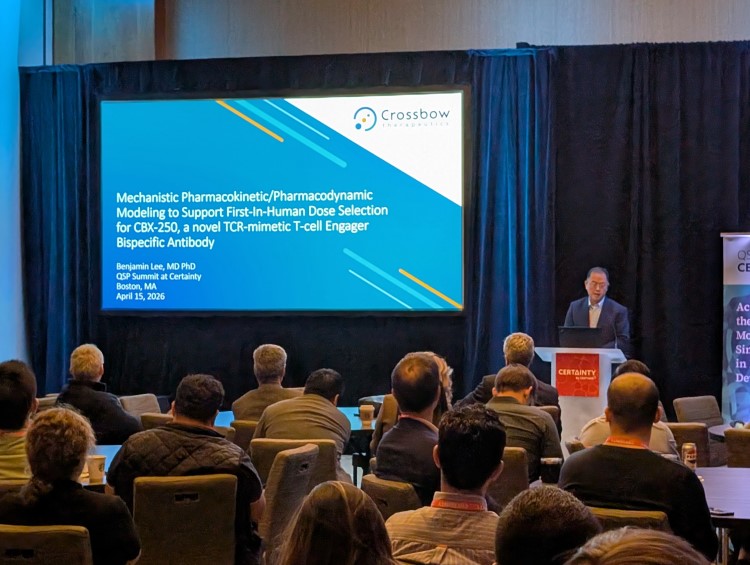
Benjamin Lee, Senior VP and Head of Translational Medicine at Crossbow Therapeutics, comes on stage to share a case study, where mechanistic modeling supports first in human dose selection for a T-cell engager (TCE). For complex therapies like TCEs, QSP is enabling more informed and efficient first-in-human strategies. By incorporating mechanistic understanding early, teams can move beyond overly conservative approaches toward dose selection that is both safer and closer to efficacious ranges.
Shifting QSP upstream: Early discovery and portfolio prioritization
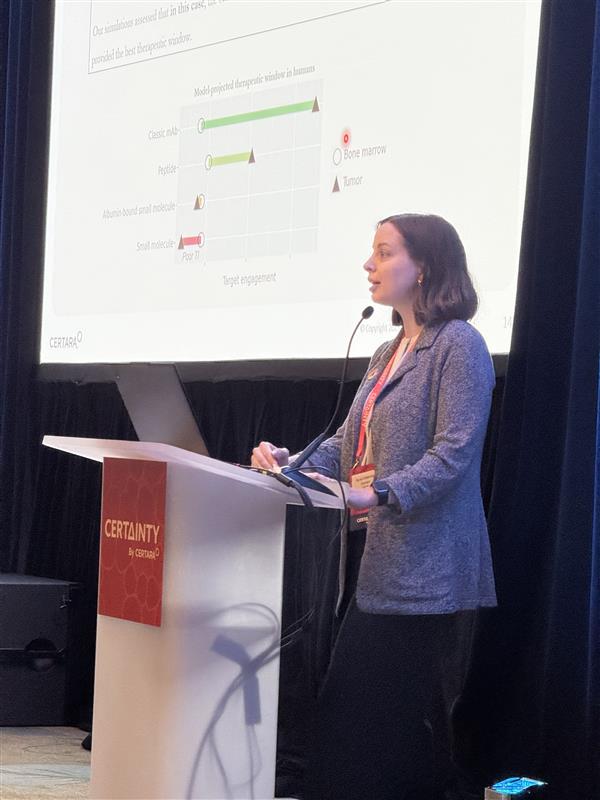
Sarah DiBartolo, Associate Principal Scientist at Certara, shared the power of applying QSP modeling at as early as discovery stages. QSP is increasingly influencing decisions before molecules are even created. Discovery-stage biosimulation allows teams to evaluate pharmacological feasibility early, enabling faster prioritization, reduced risk, and more efficient allocation of resources.
Scaling QSP with AI-enabled platforms and intelligent workflows
Josh Apgar, VP and Head of QSP Software at Certara, followed with an overview of Certara’s AI-enabled QSP modeling tool, Certara IQ. The integration of AI into QSP workflows is transforming how quickly and effectively models can be built and applied. Platforms like Certara IQ are enabling collaborative, scalable, and decision-ready modeling environments, addressing execution of bottlenecks and expanding access beyond specialized experts.
Bridging in vitro and in vivo with translational PK/PD modeling
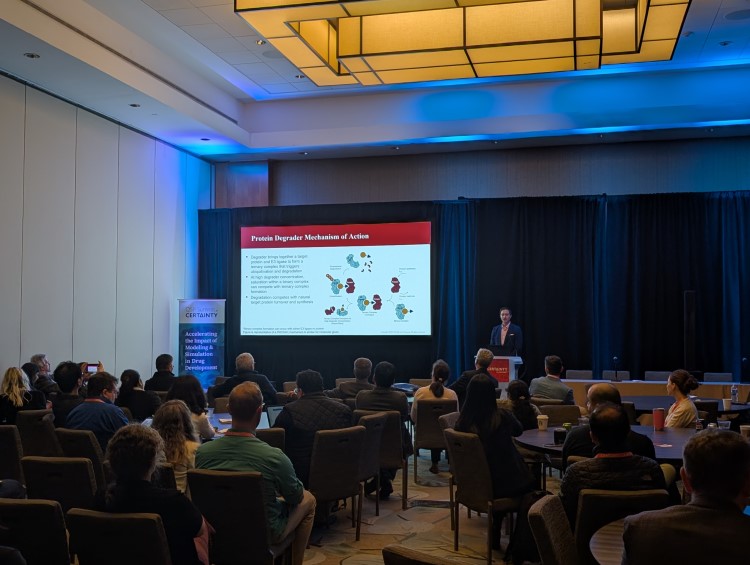
Robert Bondi, Senior Director of PBPK/PD Modeling at Eli Lilly, helps wrap up the summit with the much-anticipated discussion on protein degraders. For emerging modalities like protein degraders, translational modeling is essential to understand how in vitro findings translate in vivo. Incorporating biological feedback mechanisms reveals key drivers of efficacy and highlights the importance of designing molecules that can overcome dynamic biological responses.
Learn more
Explore how Certara’s QSP services and revolutionary software, Certara IQ integrate mechanistic modeling with experimental data to predict clinical outcomes and optimize drug development strategies. Learn how virtual simulations and regulatory-ready platforms help accelerate decision-making, reduce risk, and bring therapies to patients faster.


Jessica Sinha
Associate Director, Marketing – QSP, CertaraJessica Sinha is an accomplished marketing leader with more than eight years of experience spanning B2B, brand, content, and digital marketing in the life sciences sector. At Certara, she leads strategic marketing initiatives for Quantitative Systems Pharmacology (QSP), combining her scientific foundation in bioengineering with a passion for clear, impactful communication.
See Certara IQ in Action
