



Sessions:
Thursday, April 2, 2026 – 10:00-10:45am JST
Products: Certara IQ™
Summary
Ideally, drug development resources are directed toward concepts with promising biology and advantageous pharmacology. In practice, too many programs are advanced based on promising biology, only to fail later due to unworkable dosing, weak translatability, or unidentified developability barriers. These problems are often only uncovered after substantial investment by the discovery teams.
In this webinar, Marc Presler and Choi Siak-Leng will overview how integrating mechanistic modeling, literature data, and desired Target Product Profiles were used to improve portfolio decisions before performing substantial experimentation.
Real world impacts include:
- Directing resources away concepts with poor differentiation or developability.
- Providing predictions of optimal target drug properties to protein engineers
- Improving confidence in decision-making for diverse stakeholders
Case studies will review conducting this analysis “at scale” for a large number of concepts at top pharma companies, as well as for small-scale concept optimization at biotechs.
The early-stage biosimulation approach detailed here offers a proven, efficient, and economical strategy to enrich portfolios with viable assets.
Register now
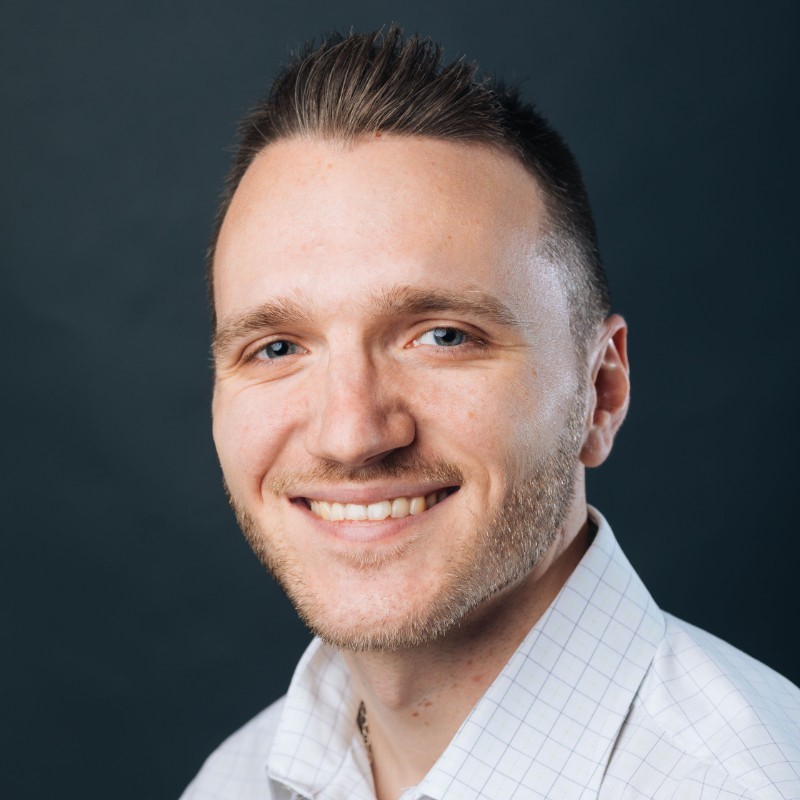
Marc Presler, PhD
Director, QSPMeet Marc Presler, a member of Certara QSP’s Team! Marc has leveraged deep expertise in fundamental biology and quantitation to support over 70 drug programs. He sees models as powerful tools that help integrate evidence to improve decision-making in drug development.
His contributions have ranged from clinical trial design, first-in-human dose projections, to initial concept design, working with collaborators spanning large pharma to pre-seed biotechs.
Marc is particularly excited about bringing biosimulation insights into the earliest stages of drug discovery. He is currently working on developing the “industrial” capabilities that will allow the analysis of discovery pipelines at scale:
What if biosimulation were used to ensure favorable pharmacology for every new drug concept at the beginning of a program?
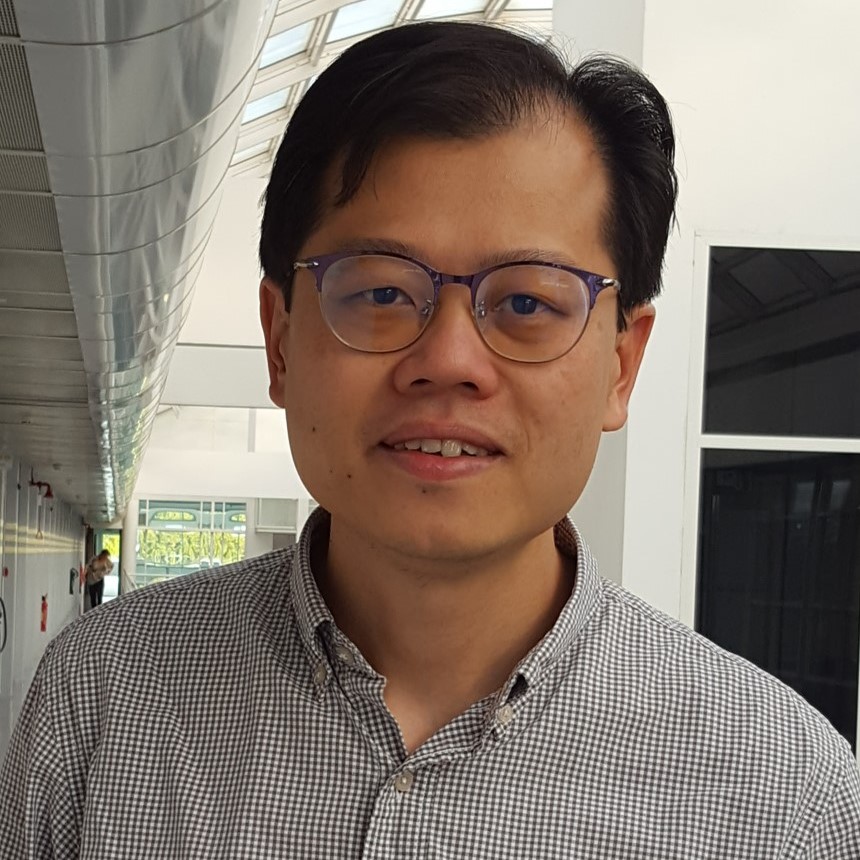
Distinguished Scientist, Modeling & Simulation Local Head, Sanofi
Choi Siak-Leng is currently a Distinguished Scientist in Sanofi’s Pharmacometrics Team within the Translational Medicine Unit, based in Paris. With 19 years of industry experience in pharmacometrics, he brings extensive expertise across multiple therapeutic areas and modeling approaches. He received his training in biochemistry and toxicokinetics of compartmental/PBPK modeling at the National University of Singapore and Technical University of Munich. His industry experience includes roles as a clinical pharmacometrician at Eli Lilly and Grünenthal, where he developed expertise in various modeling approaches for both continuous and discrete data to support dose selection and trial design for drug development and approvals. Currently, his focus centers on human PK and PK/PD translation to support drug discovery and first-in-human dose projection across multiple therapeutic areas, with particular emphasis on inflammation & immunity, immuno- and molecular oncology, and neuroscience.
Register now