




January 30, 2025
Introduction to clinical data validation
In the context of clinical trials, validation ensures that the data collected is accurate, consistent, and meets predefined criteria, which is crucial for maintaining data integrity. This process helps ensure that the results of the clinical trial are reliable and can be trusted.
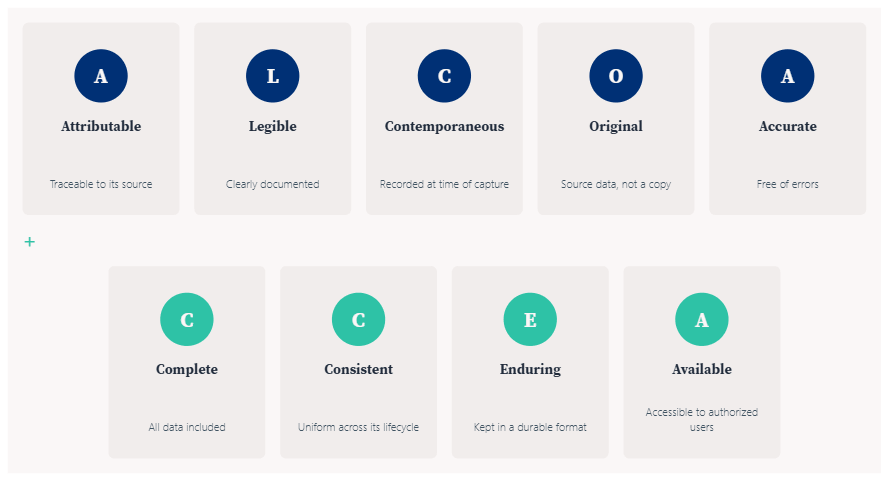
A key framework for data integrity in clinical trials is the ALCOA+ principles, which stand for:
- Attributable (traceable to its source),
- Legible (clearly documented),
- Contemporaneous (recorded at the time it is generated),
- Original, and
- Accurate.
The “+” adds further principles:
- Complete: All data should be included.
- Consistent: Data should be consistent throughout its life cycle.
- Enduring: Data should be maintained in a durable format.
- Available: Data should be accessible to authorized personnel
These principles form the basis of Good Clinical Practice (GCP) guidelines regarding data integrity and validation ensures the data meets these standards.
How to ensure compliance with FDA validation rules
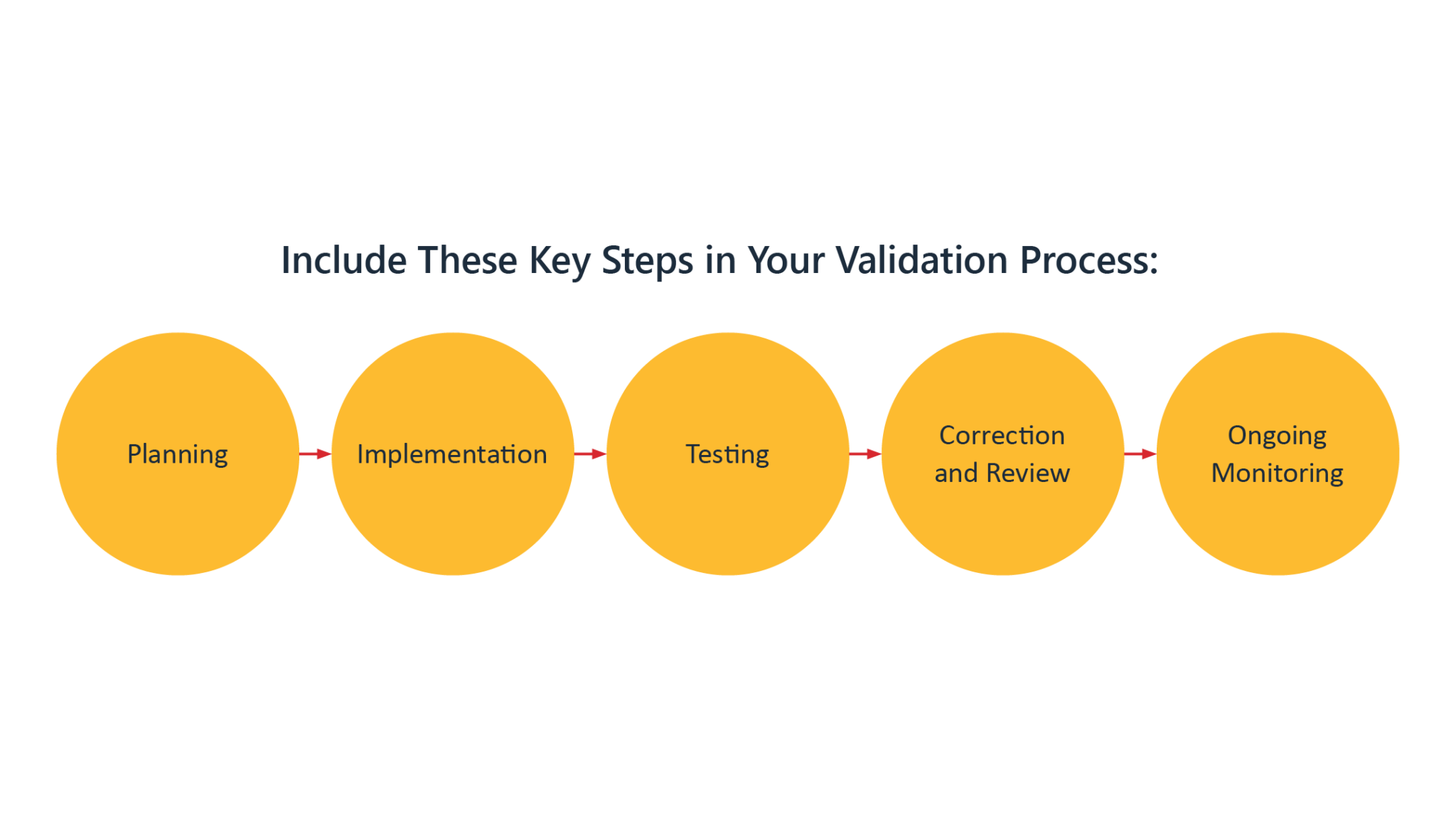
Include these key steps in your validation process:
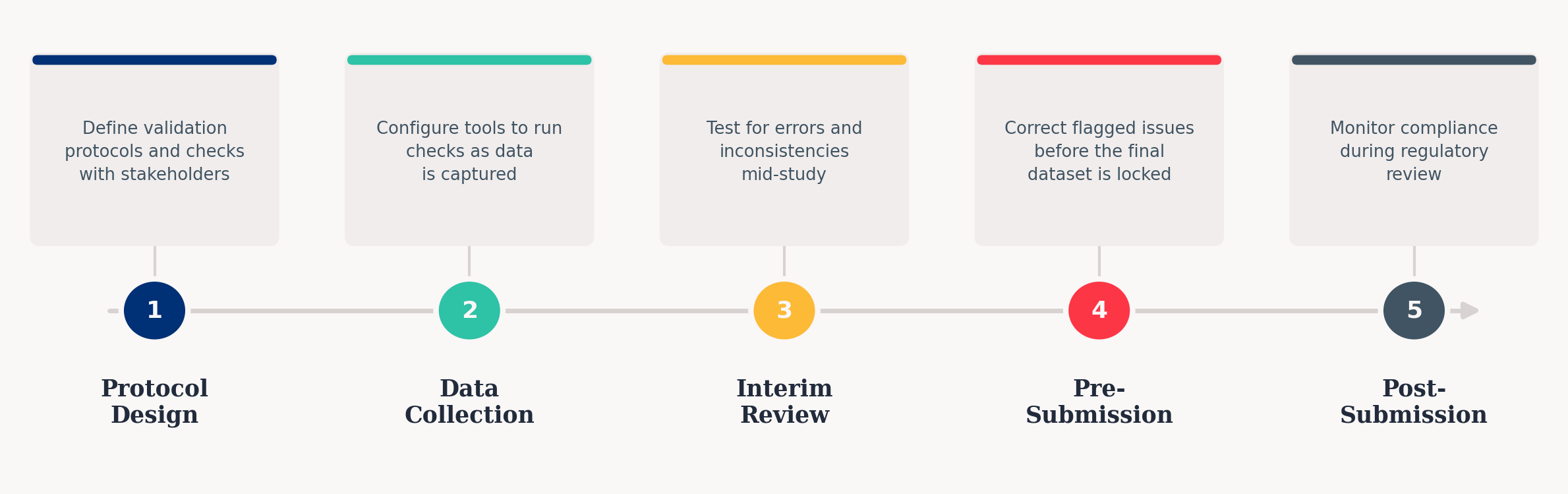
- Planning: Establish validation protocols and determine what checks will be applied. Document these guidelines comprehensively and share with relevant stakeholders, including external data vendors.
- Implementation: Configure validation tools and software to execute the planned checks.
- Testing: Perform validation tests to identify errors or inconsistencies in the data.
- Correction and Review: Address flagged issues before submitting the final dataset.
- Ongoing Monitoring: Evaluate compliance post-submission as regulatory reviewers conduct their assessments.
Use robust validation tools
Leverage advanced validation tools like Pinnacle 21 Enterprise. Our platform automates rule compliance, offers a dashboard for reviewing quality checks, and helps you seamlessly integrate FDA standards.
Maintain data integrity
Ensure that clinical data meets the following key attributes:
- Complete and free of discrepancies
- Traceable to its original source
- Protected against unauthorized modifications
Stay updated on regulatory changes
The FDA frequently updates its validation rules and technical specifications. Keep track of new announcements and amendments to ensure ongoing compliance.
Validate early and often
By incorporating validation into both trial execution and post-trial review phases, clinical data managers can ensure readiness for submission.

Ready to move from one-time checks to continuous validation monitoring? Our guide gives you a 7-step approach to scaling validation across your portfolio, plus how to prioritize findings using a risk-based approach.

Erin Erginer
Senior Director of Product, Certara’s Pinnacle 21Innovative leader with 20 years of clinical research and healthcare experience, specializing in acquisition, management, and transformation of clinical biospecimen and digital health assessment data. Collaborative creator of tech-enabled solutions for the pharmaceutical industry. Accomplished, analytical director possessing strong interpersonal and communication skills with experience in managing multi-functional teams at both a strategic and tactical level. Key strengths include driving transformational change, strategic planning and execution, spearheading business process improvement initiatives, and building high-performing organizations. Built and introduced countless strategies within R&D to achieve efficiencies and resolve process and application gaps. Experienced in operations oversight and guidance, including resource and financial projections and prioritization.
See how Pinnacle 21 Enterprise can revolutionize your clinical trial design process.
Automate compliance checks and validation.
Collaborate seamlessly in the cloud.
Gain insights and streamline regulatory submissions.
FAQs
How often does the FDA update its FDA validation rules for submission data?
The FDA revises its validator and business rules periodically, rather than on a fixed schedule. For example, it moved from the March 2021 version 1.5 to an updated Validator Rules V1.6 in December 2022. Because updates can change field-level checks and error/warning thresholds, teams should monitor FDA’s Study Data Standards Resources page regularly and build a review cadence for FDA validation rules in clinical data management workflows to ensure specs and validation engines stay current.
Do FDA validation rules in clinical trials apply the same way in Phase I as in later-phase studies?
Yes. The rules themselves aren’t phase-dependent, so technical conformance and business-rule checks apply regardless of study stage. What changes is volume and complexity, since Phase III datasets typically surface far more issues to reconcile. Running FDA validation rules for submission data early, even in Phase I, prevents a backlog of unresolved errors from accumulating before your first regulatory submission.
What's the difference between FDA Business Rules and FDA Validator Rules?
Business Rules cover regulatory and procedural expectations, such as consistent use of controlled terminology, and often require human judgment. Validator Rules are the FDA’s published technical rule set for checking conformance to CDISC standards and can largely be automated. Together they form the backbone of FDA validation rules for submission data. Understanding the split helps teams apply FDA validation rules in clinical data management tools more efficiently.
What happens if a dataset fails FDA validation rules in clinical trials before submission?
A failed check produces either an Error or a Warning. Errors are critical and should be resolved before submission, since unresolved errors raise the risk of delays or a Refuse-to-File outcome. Warnings don’t block submission but should not go unaddressed and should be explained in the Study Data Reviewer’s Guide. Checking against FDA validation rules for submission data before final dataset lock leaves time to correct or properly document each flagged issue.
Where can sponsors access FDA's official validation rules for submission data before they submit?
The FDA publishes its rule sets, including the Validator Rules, on its Study Data Standards Resources page, alongside the Self-Check Worksheet for Study Data Preparation and the Study Data Technical Conformance Guide. Reviewing these directly helps sponsors apply FDA validation rules in clinical data management and FDA validation rules in clinical trials consistently.