


Sessions:
Wednesday, March 11, 2026 – 11am-12pm ET, 4-5pm GMT
Thursday, April 9, 2026 – 3-4pm JST
Products: Simcyp® PBPK Simulator
How Novartis used Simcyp to support 14 FDA-approved novel drugs
Physiologically-based pharmacokinetic (PBPK) models are an integral part of mechanistically understanding drug absorption, distribution, metabolism, and excretion (ADME). When integrated into drug development, PBPK modeling can inform and broaden the product label, provide context for observed data, and create testable hypotheses.
Novartis has applied PBPK modeling for more than two decades to support a broad range of development and regulatory decisions, including:
- Supporting clinical trial design
- Informing pediatric starting dose
- Understanding the impact of other drugs, genotype or disease on drug exposure
- Informing different dosing regimens
- Providing dosing strategies in different populations
- Predicting complex drug-drug interactions
- Subsidizing and waiving clinical trials
Importantly, PBPK modeling has been used during regulatory review to inform the product labels of Novartis’ marketed products. To date, PBPK modeling has influenced over a dozen product labels at Novartis.
In this webinar, case studies from Novartis will be presented to demonstrate how PBPK strategies implemented using Simcyp informed key development decisions, accelerated drug development, and reduced development costs.
Register now
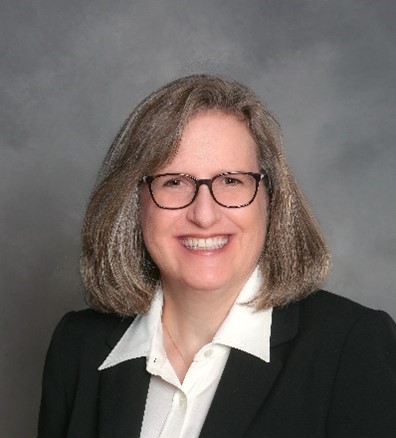
Executive Director and Head of the Clinical PBPK group, Modeling and Simulation (M&S), Pharmacokinetic Sciences, Novartis
Heidi J. Einolf, Ph.D., is an Executive Director and Head of the Clinical PBPK group, Modeling and Simulation (M&S), Pharmacokinetic Sciences, Novartis, East Hanover, NJ. She earned her Ph.D. in biochemistry and molecular biology from Purdue University followed by a postdoctoral fellowship at Vanderbilt University, studying chemical carcinogenesis, DNA adduct formation and DNA polymerase fidelity. In 2000, she joined Novartis as a Laboratory Head in the area of in vitro enzyme DDI. In 2006, she became the US Head of the in vitro DDI group and was in this role for nearly a decade. Currently she leads the Clinical PBPK M&S group leveraging PBPK modeling to support clinical trial planning or waivers for DDI, organ impairment, and food effect studies, to define pediatric starting doses, and virtual bioequivalence modeling in support of drug formulation changes. In addition to her roles at Novartis, she was the company representative of the IQ Translational and ADME Sciences Leadership Group (TALG) for many years, contributing as a leader and active contributor to several IQ Working Groups. She also was one of the PhRMA representatives on the ICH M12 Expert Working Group to harmonize the conduct and interpretation of in vitro and in vivo DDI studies.
Register now