



March 4, 2025
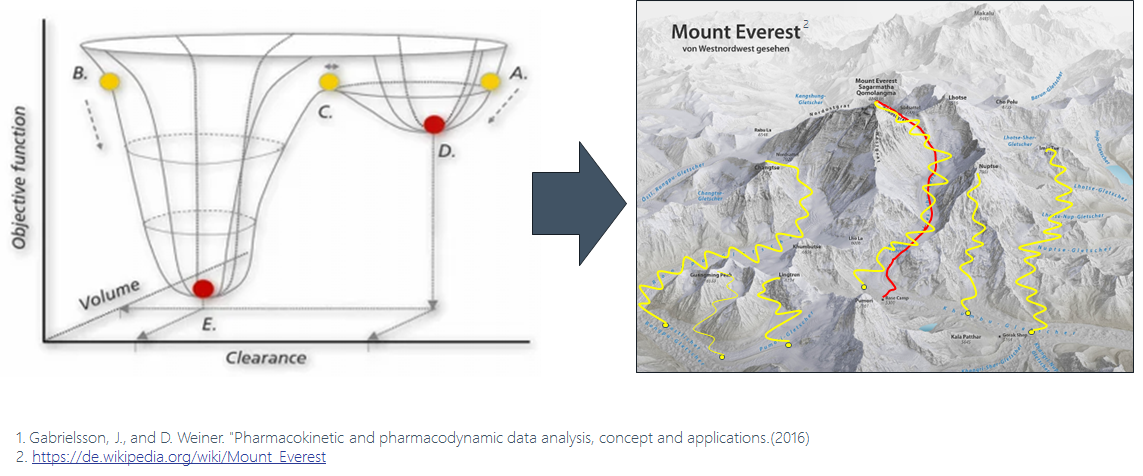
Figure 1. Identifying the best model is like climbing a mountain. There are many possible routes, but which one is the best?
Challenge
- up to 20 parameters to estimate
- difficult to identify the global minimum
Solution
- scan search space of hypotheses
- find final model representing the data set

Figure 2. ML algorithms can use a non-sequential approach to model building and automatically identify the best models.

Apply Machine Learning to PopPK Modeling
Learn how machine learning techniques can support population PK model selection in both theory and practice.
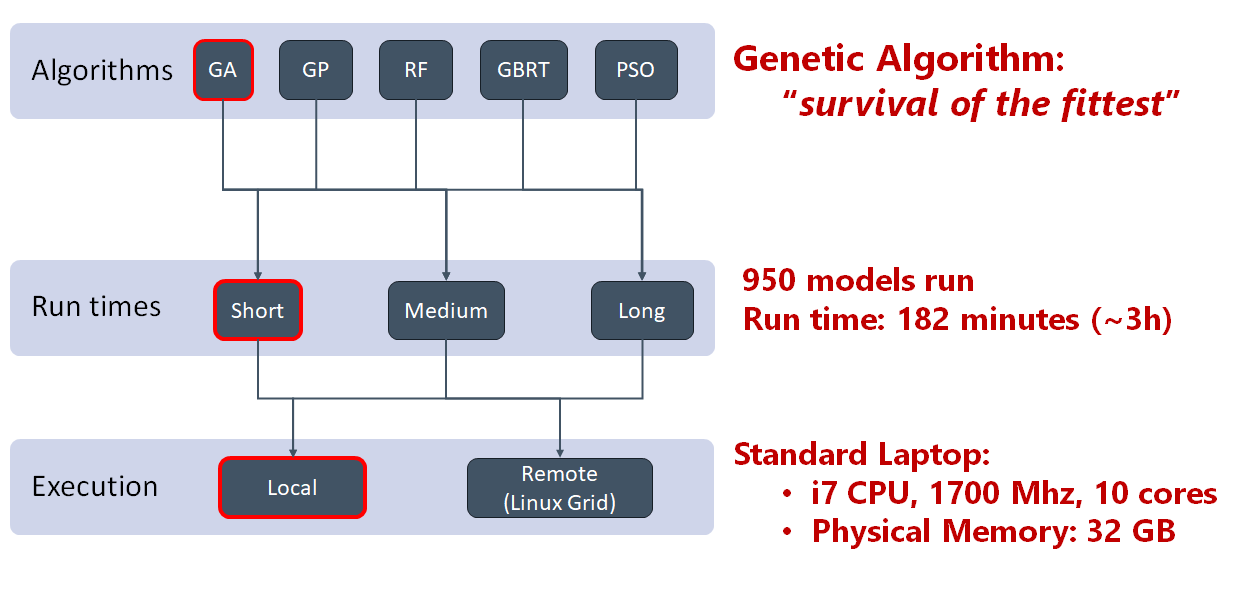
Figure 3. Machine learning algorithms can evaluate a larger number of potential models, faster than a human can.
- Stepwise model building may overlook critical interactions between model features
- ML navigated in complex parameter space
- All hypothesizes considered
- Superior model identified
- Model reviewed and accepted
- The Analyst has a key role in:
- generating hypothesis
- reviewing final model
- validating its biological plausibility

Figure 4. ML can help identify superior PK/PD models, but the role of the scientist is indispensable.
Machine Learning for Population PK Model Selection: Theory and Practice
To learn more about machine learning for pharmacometric model selection, watch this webinar.
Senior Marketing Manager
Sebastian Kuchenmeister has been a Senior Marketing Manager at Certara since 2022. He is a creative marketing professional with extensive expertise in multiple marketing disciplines, campaign management, media planning and a passion for content creation and go-to market strategies. Mr. Kuchenmeister earned a Bachelor of Arts degree in Political Science from the Humboldt University in Berlin, Germany.
Director of Content Strategy
Dr. Suzanne Minton is the Director of Content Strategy where she leads a team of writers that develop the whip smart, educational, and persuasive content is the foundation of Certara’s thought leadership programs. She has a decade of experience in corporate marketing and has conducted biomedical research in infectious disease, cancer, pharmacology, and neurobiology. Suzanne earned a BS in biology from Duke University and a doctorate in pharmacology from the University of North Carolina at Chapel Hill.
Book a demo
We’re committed to delivering content that truly matters to you most so Phoenix Newsletters are your go-to monthly resource for the latest and greatest Phoenix insights.